Teaching
A word after a word after a word is power.
Margaret Atwood


I’ve taught…
- Nontraditional Courses
- English to Speakers of Other Languages in a F-1 language institute
- Writing across Curriculum intensive district level professional development summer course for Houston Independent School District
- Middle School Courses
- 6th, 7th, and 8th grade Reading and Writing
- High School Courses
- On-level and Advanced High School English 1 and English 2
- AP Language and Composition
- AP Literature and Composition
- Newcomer Summer English Immersion
- French 1
- College Courses
- Composition 1 and 2 (English 1301 and 1302)
- British Literature 1 (ENG 2322)

Language is the neurochemistry of the ‘huge cooperative nervous system’ called society.
-from the Introduction to S. I. Hayakawa’s Language in Thought and Action
In my classroom, you will experience…
- writing as a tool for thinking.
- writing in a variety of modes.
- collaboration.
- learning through revision.
- conferences with peers.
- conferences with me.
- student choice.
- student inquiry as curriculum.
- space for diversity of thought and perspective.
- critical thinking.
- creation.
- deep reading.
My Favorite Craft Books and Cognitive Theorists
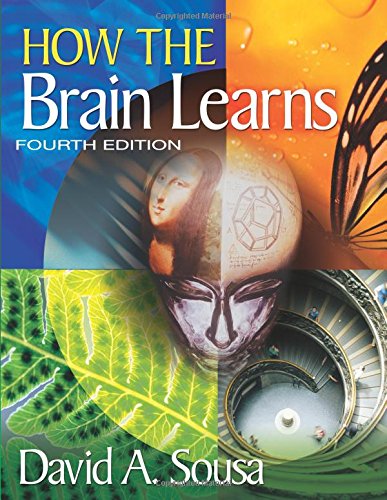
How the Brain Learns by David A. Sousa
Teachers are basically just brain gardeners. When students make connections, their brains are creating neural architecture, like a hidden root system. Sousa translates current applied neuroscience into teaching strategies so that teachers can understand how brain gardens actually, physically grow and respond as learning happens.
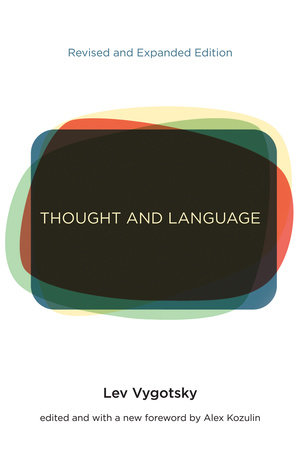
Thought and Language by Lev Vygotsky
Still a banger. Vygotsky illuminates how concepts are formed by grafting meaning onto existing meaning and describes his famous Zone of Proximal Development. TLDR: Language isn’t just what we learn, it’s also how we learn.
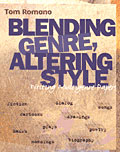
Blending Genre, Altering Style by Tom Romano
If you ever wondered how to make research and writing relevant to students and…dare I say…fun, Tom Romano will show you the way.
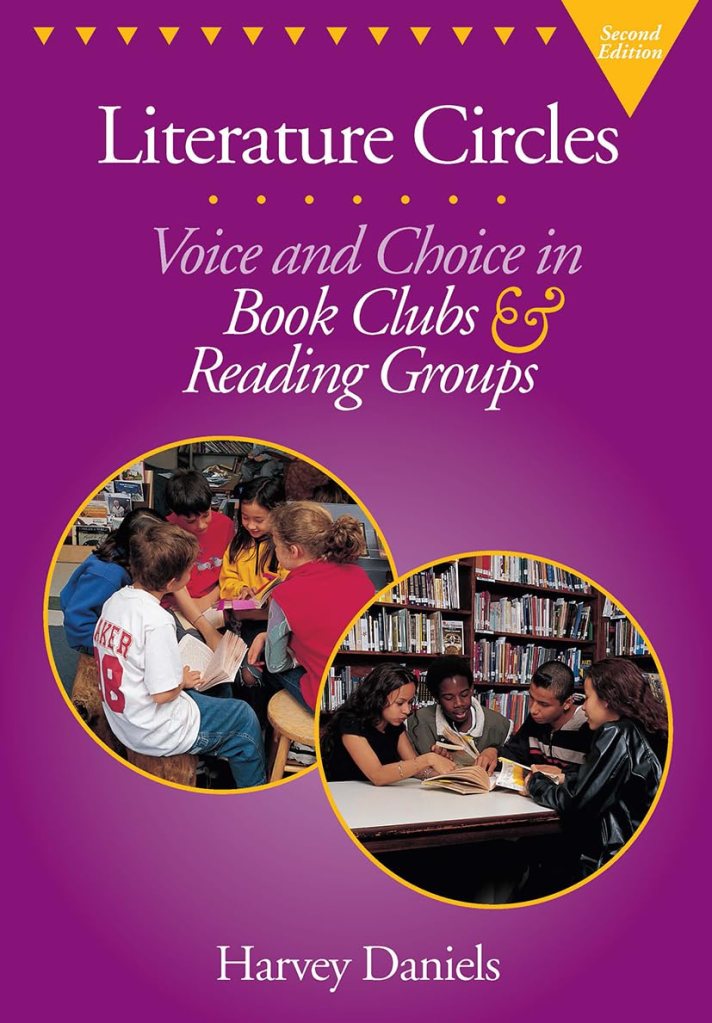
Literature Circles by Harvey Daniels
Daniels illustrates strategies for incorporating choice, differentiation, annotation, and community into reading instruction. This is a how-to, not a theory book. If you want the research behind the how, check out Alex Quigley’s Closing the Gap.
Sentence Composing by Donald Killgallon
I no longer use the actual book, but at this point I have completely sublimated Killgallon’s methodology of teaching applied grammar through sentence imitation. It shows up mostly during discussions on style, thesis construction, and revision.
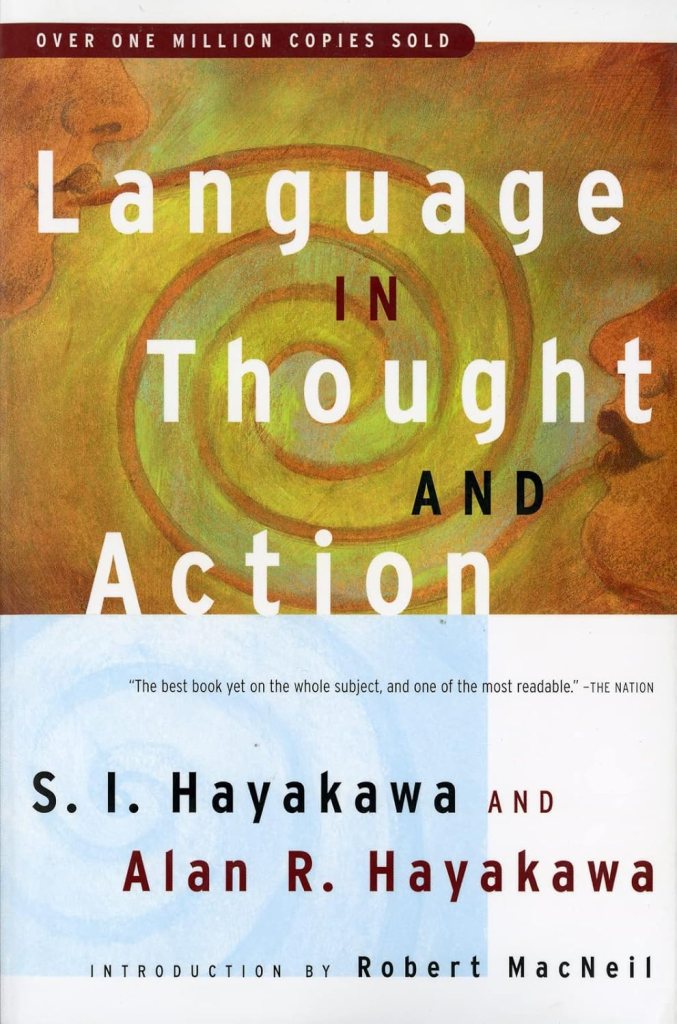
Language in Thought and Action by S. I. Hayakawa
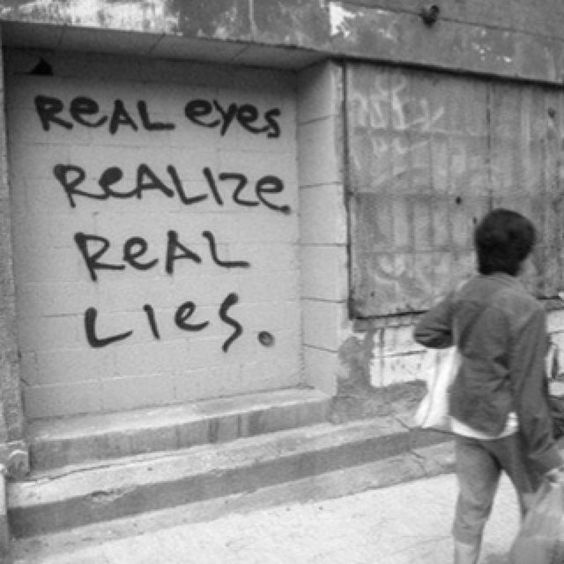
Look, I know I talk about this guy all the time, but I feel like it’s never enough. So much of the way I understand the world comes from Hayakawa. He interrogates how language can be manipulated, separated from reality, and used to control people. He gives us the tools to question received truths. If language is a weapon, and if minds are the battle fields, then Hayakawa is a master of defensive strategies and rhetoric of all kinds.



Why don’t you…
…explore The Yellow Notebook, a Substack I write for my students.